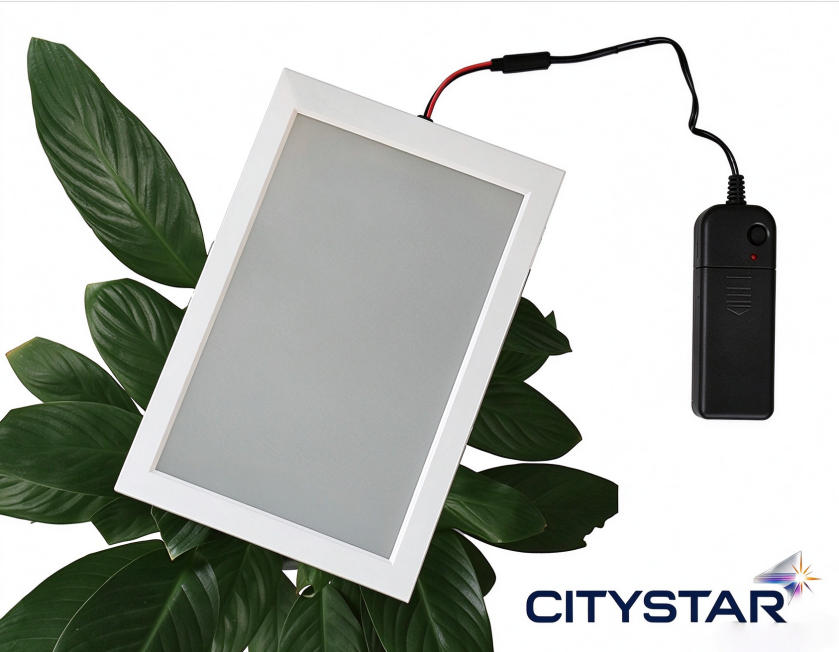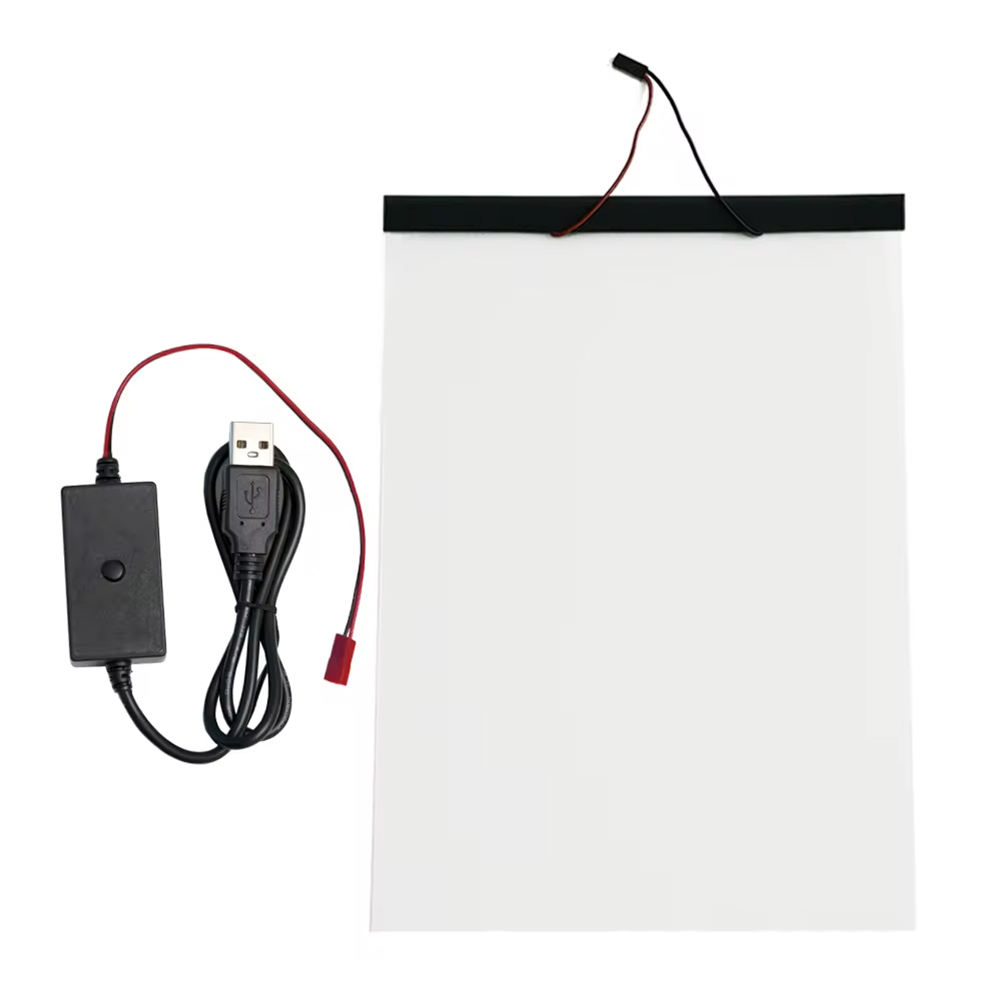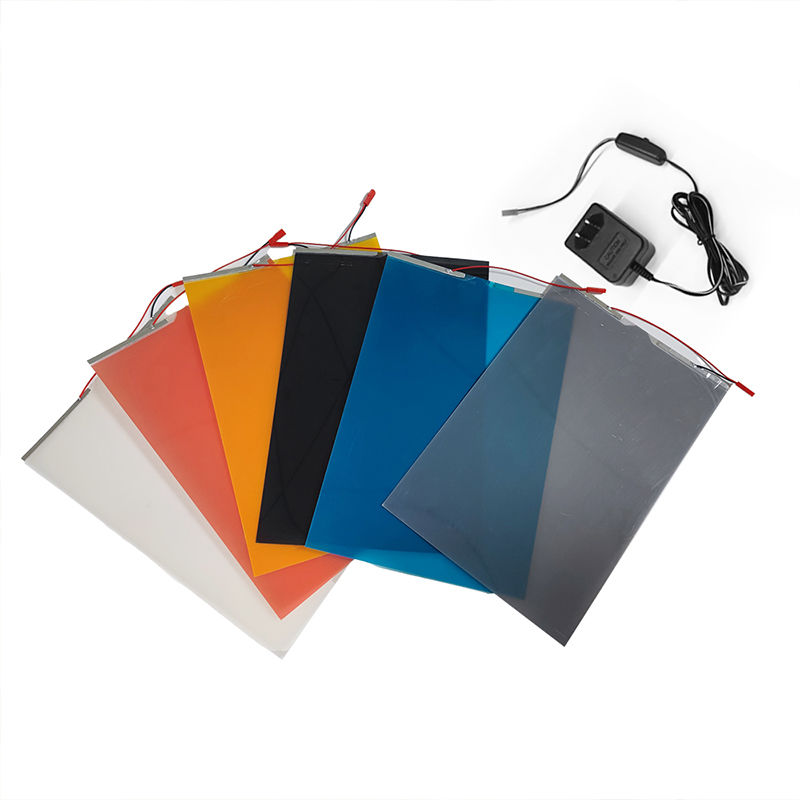
PDLC Smart film 085 /087/091
CITYSTAR FILM — SWITCHABLE SMART FILM: THE COMPLETE GUIDE TO PDLC AND PNLC ELECTRONIC DIMMING FILMSwitchable smart film is one of the most misunderstood products in the glass industry, and also one of the most commercially useful. In everyday language people call it smart film, dimming film, privac
Product Details
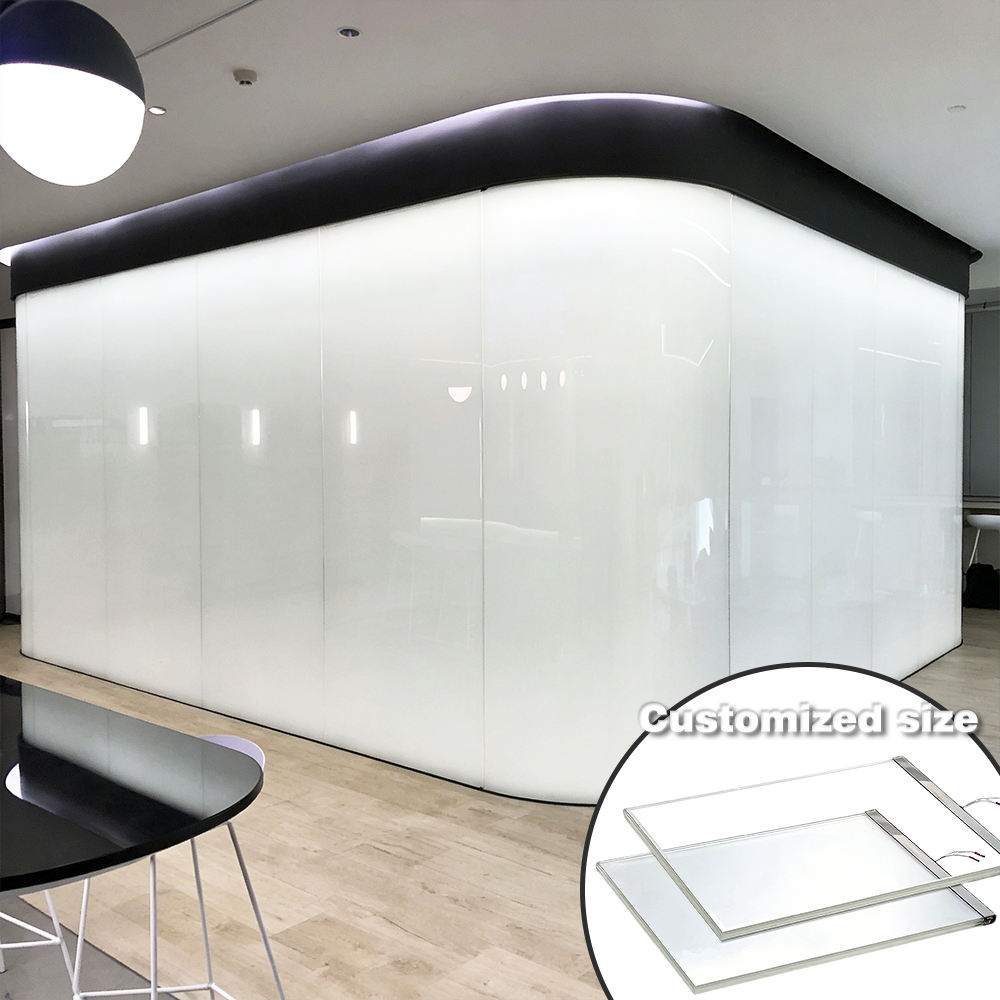
CITYSTAR FILM — SWITCHABLE SMART FILM: THE COMPLETE GUIDE TO PDLC AND PNLC ELECTRONIC DIMMING FILM
Switchable smart film is one of the most misunderstood products in the glass industry, and also one of the most commercially useful. In everyday language people call it smart film, dimming film, privacy film, magic glass film, or electronic light control film. Technically it is a liquid crystal and polymer composite material that has been sandwiched between two transparent conductive layers, and that can change from a frosted, opaque state to a fully clear state in a fraction of a second. This article explains what the product actually is, how it works, how the different modes differ, what the real performance parameters are, how it is installed, where it is used, and how to choose the right specification for a project. It is written for importers, glass processors, architects, contractors and distributors who need to buy correctly rather than simply buy cheaply.
WHAT SWITCHABLE SMART FILM ACTUALLY IS
Switchable smart film is a new generation of electronically controlled optical product. The core construction begins with two sheets of transparent conductive film, usually PET coated with a thin layer of ITO, which stands for indium tin oxide. Between those two conductive layers sits a liquid crystal and polymer hybrid material, sealed and cured into a stable film. The ITO layers act as electrodes; the liquid crystal and polymer layer acts as the active optical medium. When a low-voltage alternating current is applied across the two electrodes, the optical behaviour of the liquid crystal layer changes. That is the entire principle of the product. There is no mechanical movement, no chemical reaction, no coating that wears away, and no moving parts that can jam. The film simply responds to an electric field, and it does so repeatedly, millions of times, without degrading.
The reason this matters commercially is that the film turns ordinary glass into a controllable surface. Glass stops being either permanently clear or permanently frosted. The same pane can be private when you want privacy, clear when you want visibility, and can be switched between the two states at the press of a button, on a wall switch, with a remote control, with a smartphone app, or automatically through a sensor or a building management system. In residential projects this replaces curtains and blinds in many situations. In commercial projects it replaces the need to choose between daylight and privacy.
HOW IT WORKS INSIDE THE FILM
In the normal, unpowered state, the liquid crystal molecules inside the polymer matrix are randomly oriented. They point in every direction, and light entering the film is scattered in every direction. That scattering is what the human eye perceives as translucent, milky, frosted, or opaque. The image behind the film is diffused until it becomes unrecognisable, which is precisely what privacy means in this context. The glass still transmits a large part of the light, typically in the range of 70 to 80 percent, so the space behind remains bright and usable. It is not black, not dark, not a blackout blind. It is a soft, luminous, evenly lit frosted surface, and this is one of the reasons designers like it so much.
When an alternating current is applied, the electric field forces the liquid crystal molecules to align into an orderly arrangement perpendicular to the plane of the film. Light now passes through without scattering, and the film becomes clear. The transition from opaque to clear, and from clear back to opaque, happens quickly and smoothly. Typical switching speed is measured in single-digit milliseconds up to around one hundred milliseconds depending on film type, driving voltage and temperature. Visually, the change appears almost instantaneous. The key word is alternating current. Direct current must not be used, because a sustained DC field causes ionic migration inside the liquid crystal layer and will eventually damage the film. Smart film is always driven by AC, typically supplied through a dedicated power supply that converts mains voltage to a low AC output, commonly in the 36 to 60 volt range, with frequency in the 50 to 60 hertz band or higher depending on the driver.
PDLC, PNLC AND REVERSE MODE — THREE MODES THAT BEHAVE DIFFERENTLY
The industry uses three letters loosely, so it is worth setting the record straight, because buying the wrong mode is the most expensive mistake in this product category.
PDLC stands for polymer dispersed liquid crystal. In PDLC, liquid crystal droplets are dispersed inside a polymer matrix. Unpowered, the droplets scatter light and the film looks frosted. Powered, the liquid crystals align and the film becomes clear. PDLC is the classic mode, the most widely produced, and by far the most common in the market. It is described as normally opaque, or fail-safe private, because a power failure returns the film to the private state. That is an important safety and security characteristic.
PNLC stands for polymer network liquid crystal. In PNLC the polymer forms a continuous network rather than isolated droplets, and the liquid crystal fills the voids of that network. The optical result is very similar to PDLC in appearance, and in most commercial PNLC products the mode is also normally opaque and clear when powered. The practical differences are in haze, viewing angle, transmittance and the way the film behaves at wide angles. PNLC formulations are often chosen where a lower haze in the clear state and a better off-axis appearance are required, or where a slightly different scattering profile is wanted for architectural aesthetics.
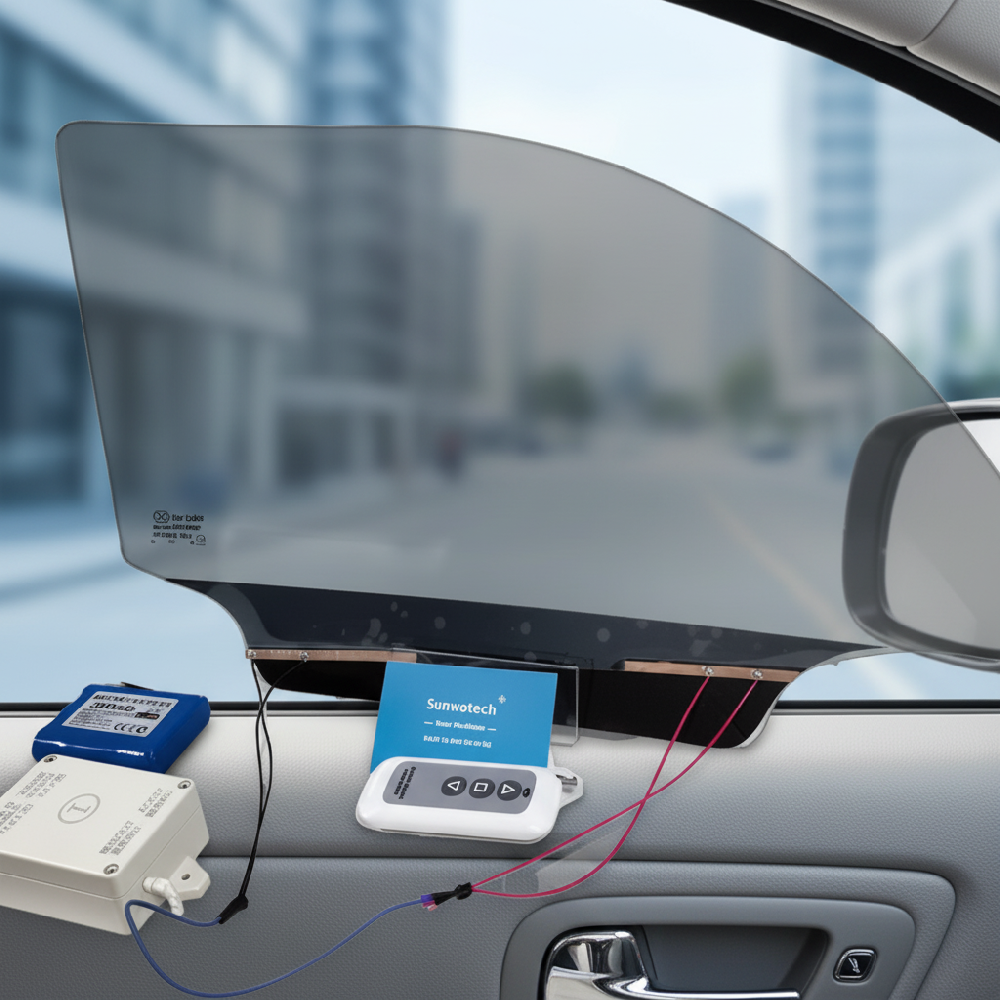
There is a third mode that is genuinely reversed, often called reverse PDLC or reverse mode film. In reverse mode, the film is clear when unpowered and becomes frosted when power is applied. This is used in specific situations, for example where privacy must be an active, deliberate choice, or where a control system has to be able to make the glass opaque on demand and where a clear default is required for safety, daylight and visual openness. Reverse mode is also common in some automotive and specialty applications.
The single most important sentence in this article is this: the mode must be specified in writing before the order is placed. A customer who expects the film to be clear when switched off, and receives normally opaque film, will consider the goods defective even though nothing is technically wrong. Citystar Film states the mode, the working state, the drive voltage and the wiring logic on every quotation and every specification sheet for exactly this reason.
WHAT IS INSIDE A PIECE OF SMART FILM
A finished self-adhesive smart film is a multi-layer laminate. From the outside in, it consists of a protective PET layer, an ITO conductive layer, the liquid crystal and polymer active layer, a second ITO conductive layer, a second PET layer, and then the adhesive system on one face, protected by a release liner until installation. Along the edges, busbars are formed to distribute power evenly across the conductive surface, and they connect to the lead wires and the connector. The busbar design, the width and placement of the electrode strips, and the quality of the edge sealing determine how evenly the film switches across a large panel and how long it survives in humid conditions. Cheap film usually fails at the edges first: the busbar corrodes, the seal delits, moisture enters, and a dark or non-switching border appears. This is why edge treatment is a genuine quality differentiator and not a cosmetic detail.
SELF-ADHESIVE FILM VERSUS LAMINATED SMART GLASS
There are two ways to deliver the same optical function, and the choice depends on the project.
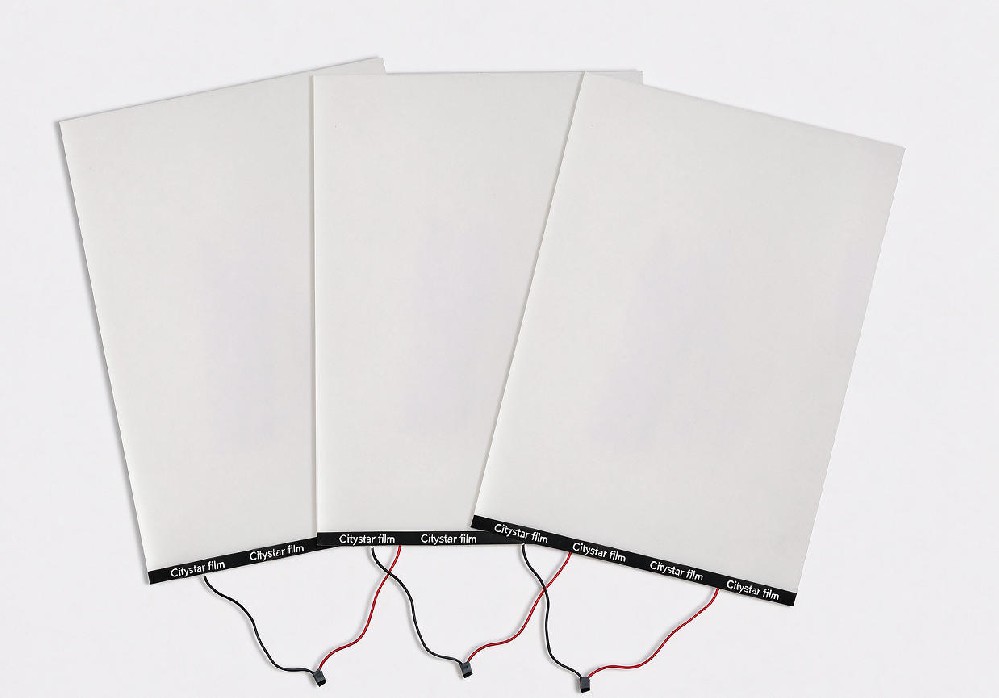
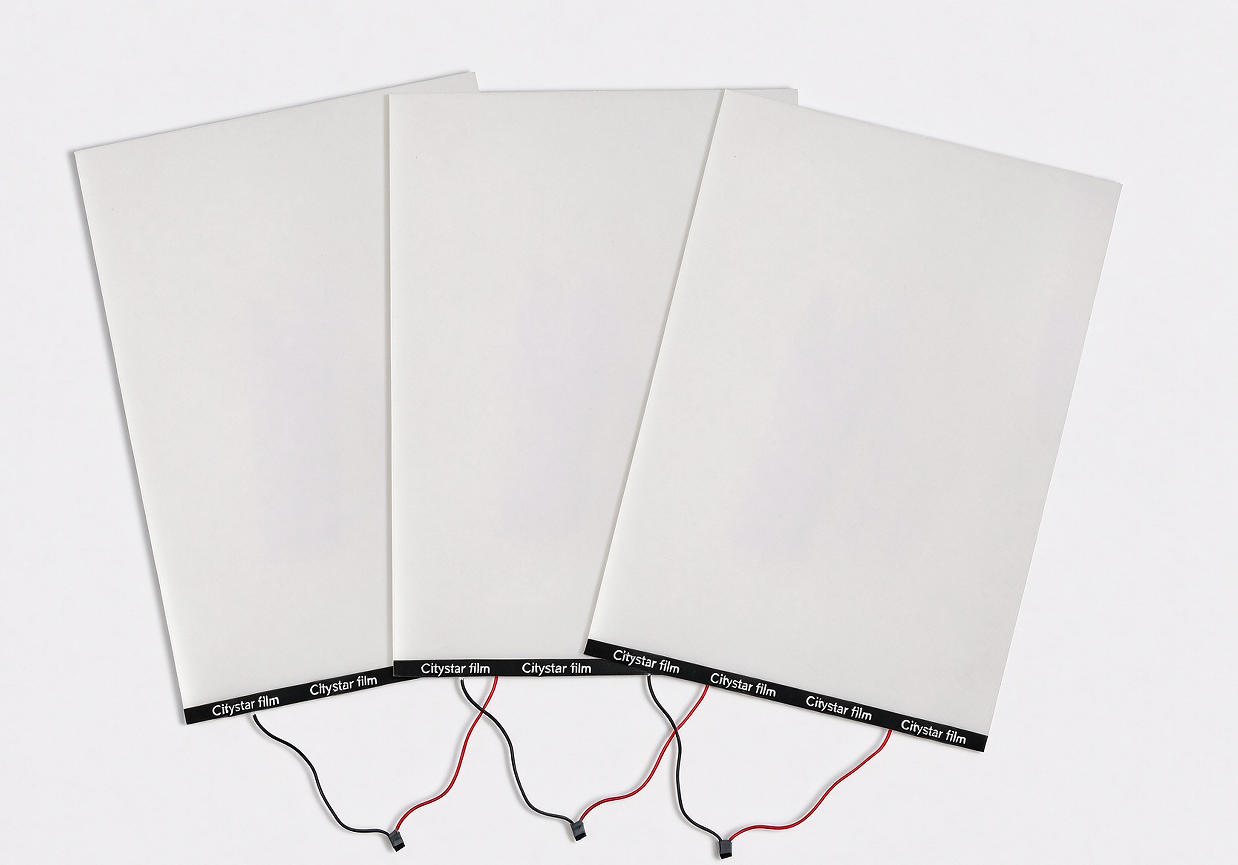
Self-adhesive smart film is applied directly onto existing glass. It is supplied with a protective film on the front face and a release liner on the adhesive face. The installer cleans the glass, positions the film, removes the liner progressively, squeezes out air, and trims the edges. It can be retrofitted to windows that are already installed, which makes it the ideal solution for renovation, for rented spaces, for projects where the glass cannot be removed, and for small quantities where lamination is not economical. It requires skill and cleanliness to install well; air bubbles, dust and finger marks under the film are permanent and visible. It is also more exposed to the environment, so the front protective layer and the edge sealing matter a great deal.
Laminated smart glass, also called smart glass or switchable glass, is made by putting the smart film, or the liquid crystal interlayer, inside a glass sandwich during the lamination process, usually between two panes with PVB or EVA interlayers. The result is a sealed factory product: no field installation of film, no bubbles, no visible film edges, full protection from moisture and mechanical damage, and the ability to combine the function with other glass performance, including tempered glass, laminated safety glass, Low-E coatings, tinted or reflective glass, and insulating glass units. Laminated smart glass is the correct choice for facades, curtain walls, high-end interiors, marine and transport applications, and anywhere the client wants a finished glass product rather than a film installation. The trade-off is cost, weight, lead time and the need for glass processing capability.
Citystar Film supplies both routes, and we also supply the film itself to glass processors and laminators who build their own smart glass. For customers who already operate an autoclave or an EVA lamination line, we can supply interlayer grade material with defined thickness and process windows.
THE PARAMETERS THAT DECIDE WHETHER A PROJECT SUCCEEDS
Visible light transmittance in the clear state typically ranges from about 75 to 88 percent depending on product grade, and in the opaque state from roughly 55 to 75 percent because the film scatters rather than absorbs. Haze in the clear state is the number that separates a good film from a mediocre one: the better the formulation, the lower the haze and the more the glass looks like ordinary clear glass when switched on. Haze in the opaque state, by contrast, should be high, because that is privacy.
Ultraviolet rejection is one of the product's strongest selling points. Smart film interlayers and film constructions typically block the great majority of UV radiation, in the region of 98 to 99 percent, which protects interior finishes, fabrics, artwork and skin. Infrared performance is more modest than a genuine Low-E coating; smart film reduces heat and glare but it is not a substitute for a proper solar control coating. Where thermal performance matters, combine the smart function with a Low-E pane in an insulated unit rather than expecting the film alone to deliver a U value.
Power consumption is low, typically in the range of a few watts per square metre in steady state, with a brief inrush at switch-on. For a typical office partition this is negligible compared with lighting load. Sound insulation is improved modestly because the laminated interlayer adds mass and damping, but smart film is not an acoustic product and should not be sold as one. Operating temperature range, storage conditions, switching cycles and expected service life are the other figures a serious buyer must obtain in writing, together with the warranty terms covering delamination, busbar failure and loss of switching uniformity.
WHERE THE PRODUCT ACTUALLY EARNS ITS MONEY
Privacy on demand is the headline application. Meeting rooms, executive offices, consulting rooms, interview rooms, bank counters, clinic and hospital partitions, hotel bathrooms, shower enclosures, dressing areas and residential bedrooms all benefit from a surface that is clear for normal use and private instantly when required. The commercial argument is strong: a smart glass partition gives a meeting room privacy without the visual clutter of blinds, and it can be switched in a second when a presentation begins.
Design and aesthetics is the second driver. Smart glass allows a wall of glass that reads as a solid frosted panel, a signage surface, a projection surface, or a luminous partition, and then becomes transparent when the space needs to open up. Retail storefronts use it to close at night and reveal the merchandising by day. Showrooms, museums, exhibition booths and stage sets use it for reveal effects. Hospitals use it to protect patient dignity while keeping wards visible to staff.
Control and automation is the third. Because the film is an electrical device, it integrates with building management systems, with timers, with daylight and occupancy sensors, with access control, with card readers, with push-button and remote control, and with smartphone and voice platforms. A glass door can be programmed to frost automatically when locked. A bathroom window can be linked to a light switch. A conference room can be tied to the booking calendar so the glass is private during a meeting and clear when the room is free.
Transport, marine and specialty uses form the fourth. Yachts, cruise ships, trains, buses, automotive sunroofs and privacy screens all use the same physics, with different specifications for vibration, temperature, safety glass compliance and power supply stability.
HOW TO CHOOSE THE RIGHT PRODUCT
Start with the mode: normally opaque or reverse. Then define the substrate route: retrofit film or laminated glass. Then fix the size, because film is manufactured in rolls and panels and there are practical limits on width and length, on the number of panels that can be driven from one power supply, and on the maximum current per circuit. Then specify the electrical package: power supply rating, wiring diagram, control method, and whether the client wants a single switch, a multi-zone controller, or a full integration. Then specify the glass build-up if laminated: glass types, thickness, tempering, Low-E, tint, interlayer, and whether it is single glazed or an insulating unit. Then specify the environment: indoor, outdoor, humidity, direct sun exposure, cleaning regime and expected cycles. Finally, specify the commercial terms and the warranty scope, in writing, including what is excluded.
Most failures in this product category are not failures of the film. They are failures of specification: the wrong mode, an undersized power supply, a wiring run that is too long causing voltage drop and patchy switching, a film installed over a contaminated surface, an edge left unsealed in a humid bathroom, or a client expectation that was never written down. A supplier who asks you these questions before quoting is worth more than a supplier who quotes the lowest price per square metre.
QUALITY, TESTING AND CERTIFICATION
A serious smart film supplier should be able to provide third-party test reports for optical performance, UV blocking, adhesion, hardness, and electrical safety of the power supply, together with certificates relevant to the destination market, such as CE, RoHS and REACH for Europe, UL or ETL components where required in North America, and the relevant certification for the country of import. For laminated smart glass, the glass itself must meet the safety glazing standard of the destination market. Buyers should also ask for aging data: high temperature and high humidity storage testing, switching cycle testing, and a clear statement of the expected loss of performance over time. Uniformity across a large panel is a real quality indicator, and a short video of a full-size panel switching is far more informative than a photograph of a small sample.
OEM, ODM AND CUSTOMIZATION
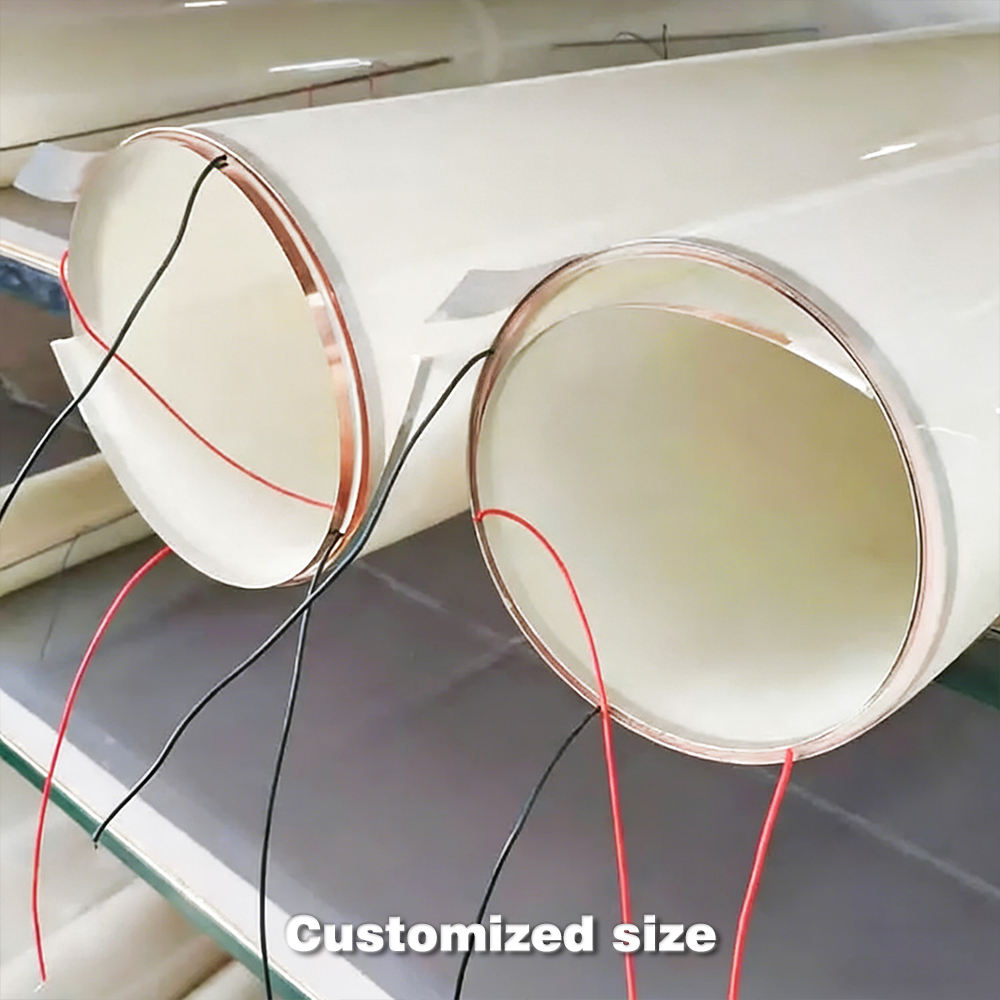
Citystar Film works with importers, distributors, glass factories, façade contractors and brand owners. We supply self-adhesive smart film in rolls and cut panels, interlayer material for laminators, and finished laminated smart glass. We support custom sizes, custom shapes including cut-outs and curves where the process allows, custom busbar layout for large or irregular panels, custom drive voltage and connector types, private label printing and branded packaging, and documentation packages for tenders. We can develop a specification together with your engineer rather than simply quoting from a catalogue, and we can supply matched samples and pilot quantities before a container order.
A NOTE ON HONEST SELLING
Smart film is a good product, but it is not magic. It does not replace Low-E glass for thermal performance. It does not block all light; it scatters it. It does not work on DC. It does not tolerate being installed over dirty glass, and it does not survive a badly sealed edge in a wet environment. It has a finite service life, and the clear state will slowly develop haze over many years. Any supplier who claims otherwise is selling you a future argument. What the product genuinely delivers is control: the ability to decide, instantly and repeatedly, whether a surface is private or open, without curtains, blinds, or compromise.
CITYSTAR FILM
Citystar Film is based in Wuhu, Anhui Province, China, and supplies switchable smart film, PDLC and PNLC electronic dimming film, interlayer material, and laminated smart glass to customers worldwide. We quote with the mode, the specification, the electrical package and the warranty scope written down, and we ship with installation guidance and technical support in English.